
Rogers Takes Satellite Roaming to Japan, Australia and New Zealand in 2026: What It Covers and What It Does Not
Rogers customers can now use satellite-to-phone messaging and select apps in Japan, Australia and New Zealand. Here is what works, who gets it, and why you still need a data plan.
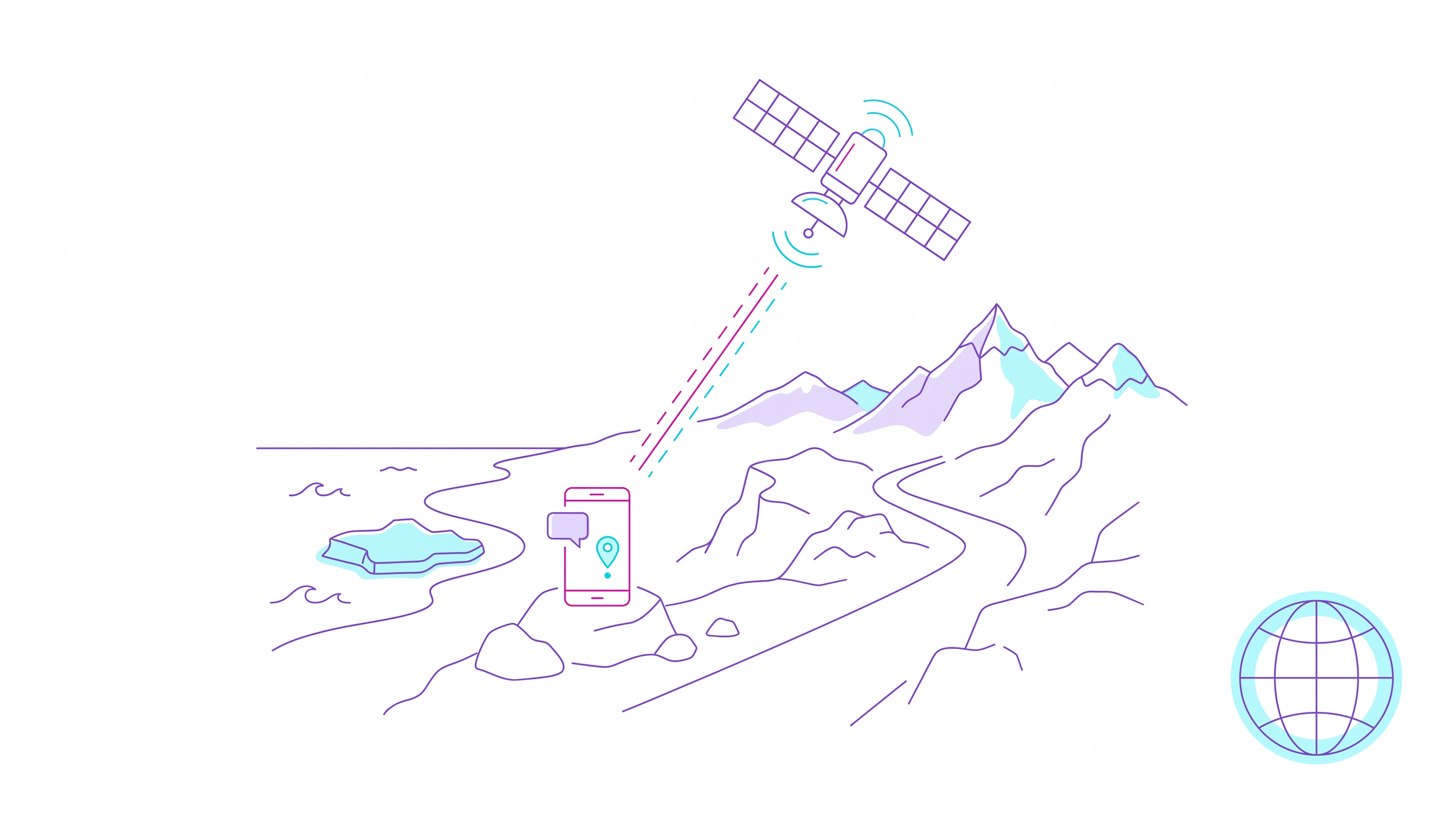
Canadian carrier Rogers has expanded its satellite-to-mobile service to three more countries. As of October 30, 2026, Rogers customers can use satellite roaming in Japan, Australia and New Zealand, adding to the United States, where Rogers launched the service earlier this year. That makes four countries in total.
What happened
The service is designed for places where there is no regular cell coverage: national parks, remote coastlines, mountain roads. When your phone cannot find a tower, it can connect to a satellite instead. According to Rogers, customers can:
- send text messages;
- use supported messaging apps such as WhatsApp, Messenger and X;
- navigate with Google Maps and AllTrails;
- check real-time weather with AccuWeather.
Rogers says more satellite-ready apps are coming, but did not give a timeline. The international satellite roaming is included with Rogers Ultimate plans, eligible Roam Like Home options and select Travel Passes. Mobile World Live reports that the Japan service likely runs through KDDI, which already operates Starlink-based satellite service there.
"Canadians want to stay connected wherever their travels take them," said Mark Kennedy, Rogers' Chief Technology Officer.
Why it matters for travelers
Satellite roaming is spreading fast. In late October, T-Mobile added satellite roaming in Canada and New Zealand (see our T-Mobile satellite roaming coverage), and in Brazil, Vivo switched on Starlink Mobile on October 26 for about 50 million eligible customers, with around 7 million phones already connected. Rogers' move means Canadians heading to three popular long-haul destinations now get a safety net in the places where hikers and road-trippers most often lose signal: Australia's outback, New Zealand's South Island, or rural Japan.
That is a real safety improvement. Being able to send a WhatsApp message or check a map on a remote trail can matter a lot.
What it does not replace
Satellite-to-phone service today is a backup, not a data plan. Based on what Rogers lists, it supports messaging and a short list of apps. It is not designed for streaming, video calls, uploading photos or general browsing, and it only kicks in where there is no cell signal. The same limits apply to Vivo in Brazil, where voice calls, video calls and general web browsing are not supported yet.
So in Tokyo, Sydney or Auckland, where you have normal coverage, you are back to regular roaming or local data. And access depends on your plan: you need an Ultimate plan, an eligible Roam Like Home option or a qualifying Travel Pass. Canadian carriers are also asking the CRTC to scrap roaming bill-shock caps (more in our CRTC roaming cap story), so keep an eye on what you pay per day.
A practical setup for your trip
Many travelers can get the best of both:
- Keep your Rogers line on for calls, SMS codes and, if your plan includes it, satellite backup in remote areas. Ask Rogers whether satellite access works when your Rogers line is not the one set for mobile data.
- Use a travel eSIM for everyday data in cities and towns. A data-only eSIM from a provider like HOLASIM, Airalo or Holafly runs on local networks in Japan, Australia and New Zealand and usually costs less than daily roaming passes for long trips.
- Download offline maps before you head into the backcountry. Satellite messaging is useful, but offline maps work with no signal at all.
- Check compatibility. Satellite roaming depends on supported phones, and your travel eSIM needs an unlocked, eSIM-compatible device.
Satellite roaming makes remote trips safer. For the rest of your trip, a reliable data plan still does most of the work.