
Pakistan Plans ID Checks for Travel eSIMs in 2026: What the PTA's Draft Roaming Rules Mean for Visitors
Pakistan's telecom regulator has proposed KYC checks for foreign SIMs and travel eSIMs, mandatory registration for eSIM sellers and a 90-day "permanent roaming" threshold. Here is what is in the draft and how travelers should prepare.
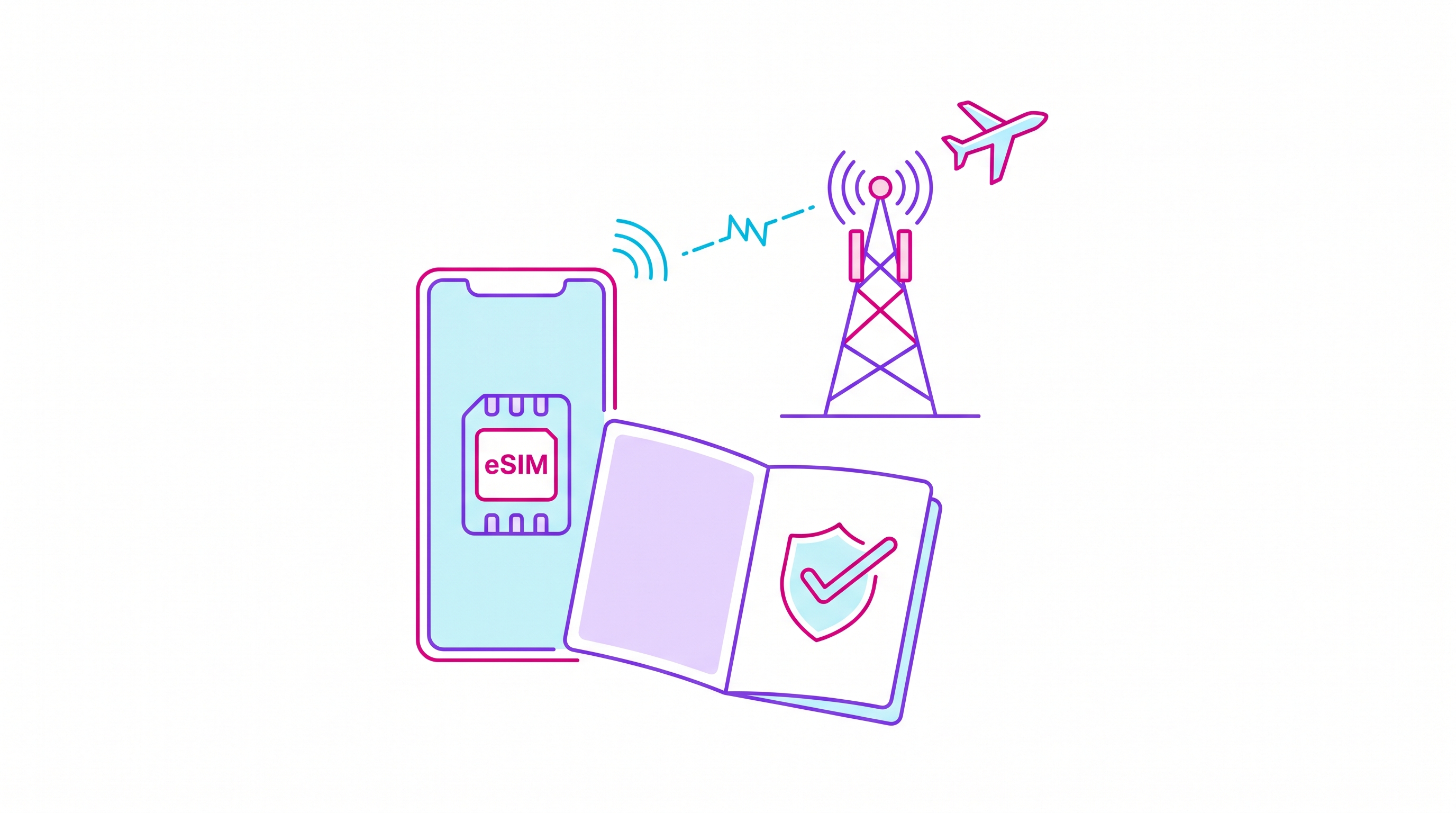
The Pakistan Telecommunication Authority (PTA) has published the draft International Roaming (Inbound) Regulations, 2026, a framework that would, for the first time, require identity checks for foreign SIM cards and travel eSIMs used on Pakistani mobile networks. The proposal was reported in mid-October by local tech outlets including ProPakistani, PhoneWorld and TechJuice, and the public consultation is reported to close on November 10, 2026.
It is still a draft. Nothing changes for visitors until the final text is notified in Pakistan's official Gazette, and the PTA can revise it after the consultation. But if you are planning a trip, or a longer stay, it is worth knowing what is on the table.
What the draft proposes
1. KYC for inbound roamers. Mobile operators would have to build a system to identify people using foreign SIMs and eSIMs. The data listed includes passport or travel-document details, nationality, the SIM or eSIM identifier, the home operator and, where available, arrival date and expected length of stay.
2. Several ways to verify. Operators could collect this through activation procedures, welcome SMS messages with a verification link, a PTA-approved digital portal or coordination with immigration and border authorities. The draft acknowledges SMS does not work for every case and asks for alternatives for data-only eSIMs, the kind most travelers use.
3. Registration for eSIM sellers. No company could operate as a travel SIM or eSIM aggregator in Pakistan without prior PTA registration. Registered providers would have to disclose their underlying network partners and distribution channels, appoint a local representative and share issuance, activation, KYC and usage information when required.
4. A 90-day "permanent roaming" threshold. A foreign connection active for 90 days or more within any 180-day period would be classed as permanent roaming. Operators could suspend it if the user cannot show a legitimate temporary purpose. According to PhoneWorld, the draft does not require operators to automatically block every foreign SIM or eSIM after 90 days.
5. Faster fraud response. Operators would keep roaming records for at least 12 months, foreign operators would get 72 hours (24 in urgent cases) to answer information requests, and a central database of blocked inbound roaming connections would stop a suspended user from simply hopping to another network.
6. Limits on IoT/M2M SIMs. Machine-to-machine SIMs could no longer be used for ordinary voice, SMS and general internet access, except for approved industrial use.
Why Pakistan is doing this
The PTA argues that foreign SIMs and eSIMs currently connect to local networks without the identity checks required for Pakistani SIMs. It links that gap to spoofed calls, SMS phishing, extortion, e-commerce fraud and lost revenue for local operators and the treasury. Pakistan already requires biometric verification for local SIMs, so the draft extends a similar logic to roaming connections.
What it means for travelers
- Short trips: for a typical visit of a few days or weeks, the most likely change is an extra verification step, such as a link by SMS or a portal where you enter passport details. Keep your passport number handy when you land.
- Long stays: expats, students, consultants and digital nomads who rely on a foreign eSIM for months are the group most exposed to the 90-day rule.
- Cheap "IoT" eSIMs: some low-cost data products run on M2M profiles. If the IoT restrictions are adopted, those could stop working for regular phone use.
- Provider choice: if the registration rule passes, only PTA-registered sellers would be allowed to serve Pakistan. Coverage could shrink for a while as companies sort out compliance.
How to prepare
- Check your provider before you fly. Confirm the plan still lists Pakistan and that it uses a regular consumer profile, not an IoT one.
- Install your eSIM at home, then watch for any verification SMS or link on arrival and complete it right away.
- Keep your home SIM active as a second line so you can receive verification messages and bank codes.
- Staying longer than three months? Plan for a local, biometric-registered SIM instead of relying only on roaming.
- Follow the final rules. Details may change after November 10.
Our Pakistan eSIM guide explains which networks travel eSIMs use in the country and how to pick a plan. Travel eSIM providers like HOLASIM, Airalo or Holafly will need to adapt if the regulation is approved, so check the destination page of whichever provider you use before buying.
Bottom line
Pakistan's draft rules do not ban travel eSIMs. They aim to make them traceable: verify the user, register the seller and flag connections that look permanent. For most visitors, that means one extra step on arrival. For long-term users, it means planning ahead.