
The FCC Votes October 29 on 482 MHz for Satellite-to-Phone Service in 2026: Why AT&T, Verizon and T-Mobile Want 290 MHz Out
The FCC votes on October 29 on adding 482 MHz to satellite-to-phone rules. AT&T, Verizon and T-Mobile want 290 MHz removed. What it means for travelers.
What happened
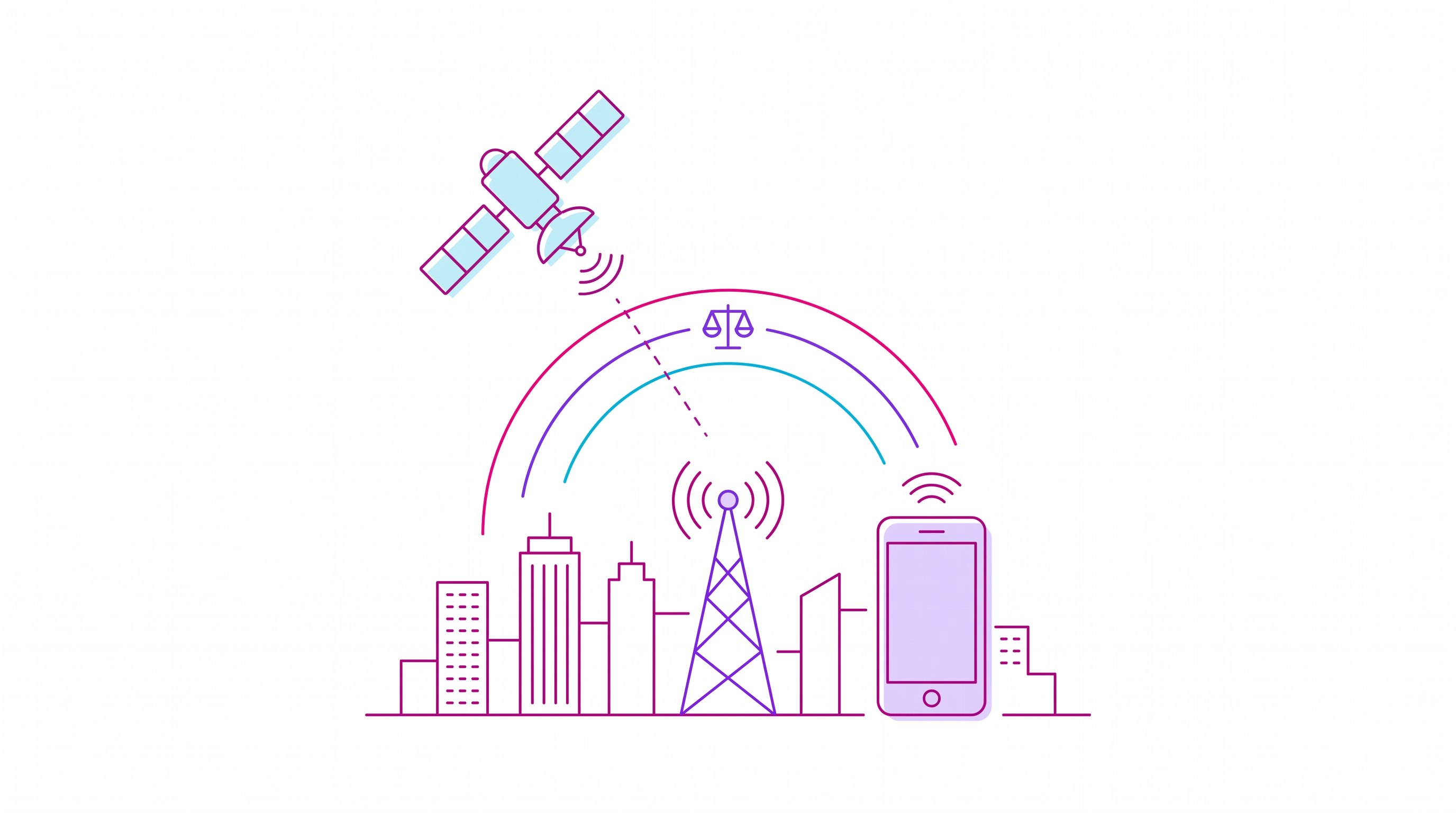
The US Federal Communications Commission (FCC) is scheduled to vote on October 29, 2026 on a draft that would add 482 MHz of spectrum to its Supplemental Coverage from Space (SCS) framework, the rulebook that lets satellites connect directly to ordinary smartphones using spectrum normally held by mobile carriers. The draft was released on October 8.
Days before the vote, AT&T, Verizon and T-Mobile filed a joint position through CTIA, the US wireless trade group, asking the FCC to remove two mid-band blocks from the plan: 2.5 GHz and 3.45 GHz. Together those bands account for 290 MHz, roughly 60% of the proposed total. If the carriers get everything they asked for, the satellite pool would shrink from 482 MHz to about 192 MHz.
The draft also changes how satellite operators get access. Today a satellite company generally has to lease spectrum from a terrestrial licensee. The FCC proposal would replace that leasing requirement with "coexistence agreements", which focus on technical compatibility rather than a commercial deal. CTIA asked that carriers keep "meaningful consent" over how satellites use their licensed spectrum, and pushed a "same customer, same rules" principle: if a satellite service sells coverage to the same person a carrier serves, it should meet comparable performance obligations.
Why the carriers are fighting
The 2.5 GHz and 3.45 GHz bands are workhorse 5G spectrum in the US: T-Mobile runs much of its mid-band 5G on 2.5 GHz, and AT&T uses 3.45 GHz. Both bands use time-division duplexing (TDD), where uplink and downlink share the same frequency in tightly synchronized time slots. The carriers argue that a satellite covering a huge footprint could disturb that timing across many cells at once.
This is not the first clash. In a separate 2024 proceeding, AT&T claimed a SpaceX proposal could cut average downlink throughput by 18% in one of its live markets. SpaceX, which is turning Starlink Mobile into a direct-to-phone service, is widely seen as the main beneficiary of a bigger SCS pool. Still, nothing has been decided: the FCC has not adopted the draft and has not authorized any operator in these bands.
Why it matters to travelers
For anyone landing in the US, satellite-to-phone service is still a backup, not a data plan. Current direct-to-cell offerings handle texting and limited app data, mostly where there is no tower at all. The October 29 vote decides how much spectrum that layer can grow into over the next few years, which shapes:
- Dead-zone coverage on road trips through national parks and rural highways.
- Which phones work. Modems and antennas are built around band lists, so the final band choice determines which future handsets can connect.
- Competition. A stronger satellite layer, plus SpaceX's push to act like a fourth US carrier, could eventually pressure roaming and visitor-plan prices.
None of that changes on October 30. Rules come first, then hardware, then service, and petitions for reconsideration are likely from whichever side loses.
A busy month for satellite-to-phone
The vote follows the FCC's approval of SpaceX's 15,000-satellite direct-to-phone constellation earlier this month and reports that SpaceX is negotiating access to 80,000 US cell sites. We covered both: FCC approves SpaceX's 15,000-satellite network and SpaceX's 80,000 cell-site push.
What to do for your next US trip
Until satellite coverage matures, the practical setup for visitors stays the same:
- Use a travel eSIM for your main data. It connects to US terrestrial 4G and 5G networks at local speeds, which satellite links cannot match today.
- Keep your home line active for calls and SMS in dual-SIM mode, and check whether your carrier charges for incoming calls while roaming.
- Check compatibility before you fly. Most iPhones from the XS onward and recent Pixel and Galaxy phones support eSIM; satellite texting depends on the model and the carrier.
- Download offline maps for parks and remote areas where neither towers nor satellites are guaranteed.
Providers such as HOLASIM sell US eSIMs you install before departure and activate on landing, so you are online from the airport without paying a carrier day pass.
The FCC meeting is on October 29. We will update this story once the final order is published.