
SpaceX Is Chasing 80,000 US Cell Sites in 2026: What Starlink Mobile as a Fourth Carrier Means for Travelers
Bloomberg reports SpaceX is negotiating access to at least 80,000 US cell sites to turn Starlink Mobile into a fourth national carrier. Here is what is confirmed, what is not, and what it means for US travel eSIMs.
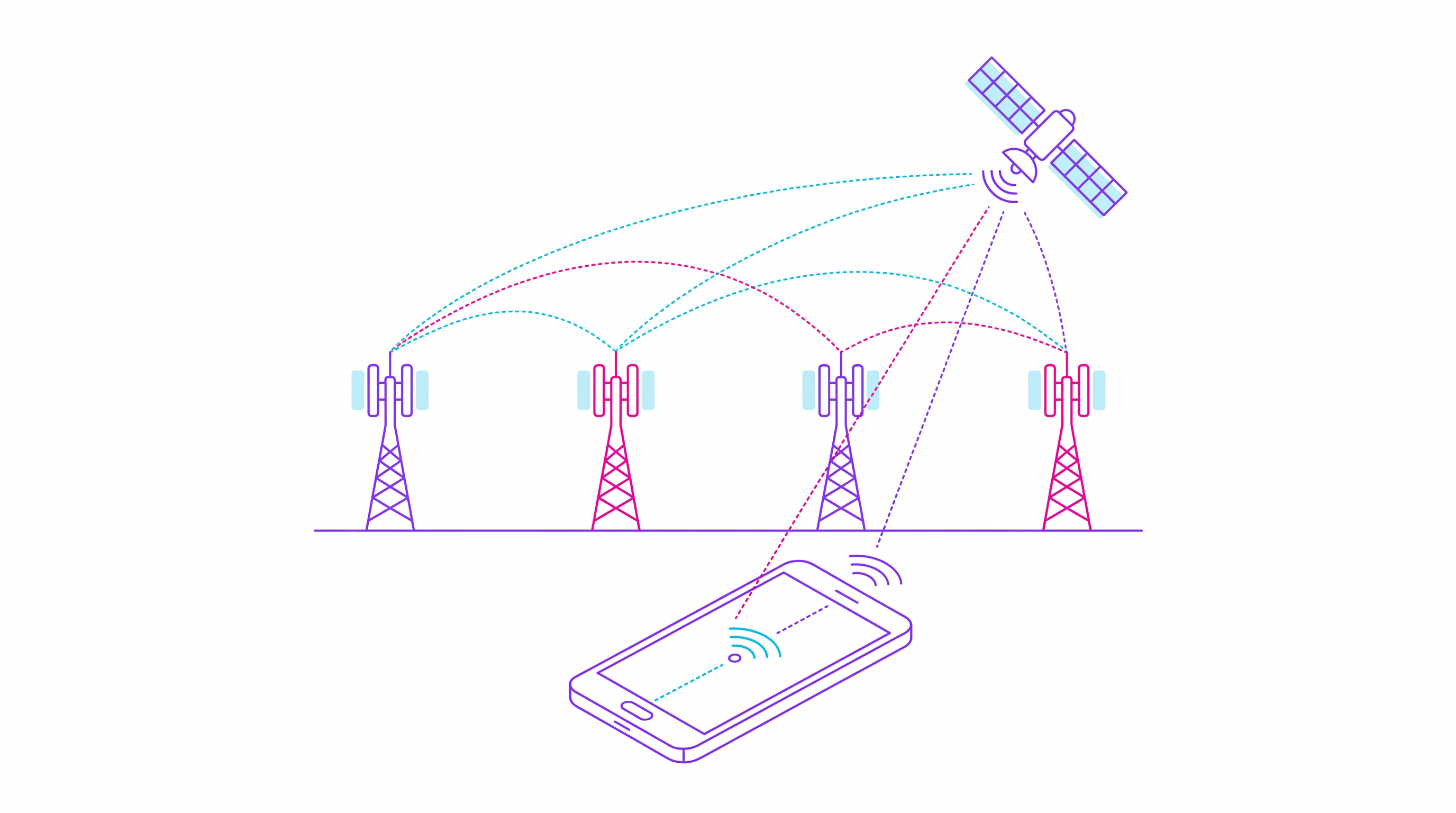
SpaceX is negotiating access to at least 80,000 cell sites across the United States, according to a Bloomberg report published on October 22, 2026. The talks are the clearest sign yet that Starlink Mobile is meant to become more than a satellite add-on: SpaceX appears to be assembling the pieces of a fourth nationwide wireless carrier, next to AT&T, Verizon and T-Mobile.
What happened
Citing people familiar with the matter, Bloomberg reported that SpaceX has held private discussions with Crown Castle, one of the largest tower owners in the US. American Tower and Vertical Bridge were named as the other major US tower owners, but their involvement in the talks has not been confirmed. No deal has been announced, and no price or contract terms have been reported.
The report lines up with several public signals:
- Musk confirmed the plan. On SpaceX's earnings call on Tuesday, Elon Musk said the company will build a terrestrial wireless network to complement Starlink's satellite service, and predicted Starlink could "ultimately be a business that generates several hundred billion dollars in revenue a year" — without giving a timeline.
- Tower companies are listening. Asked on its own earnings call whether it was talking to satellite providers such as SpaceX and Amazon's LEO, Crown Castle CEO Chris Hillabrant said: "You can assume that we're talking to all parties."
- The spectrum is lining up. Earlier in October, SpaceX agreed to buy nationwide 800 MHz low-band spectrum from Grain Management, pending FCC approval. Separately, the FCC this week approved SpaceX's purchase of three spectrum licenses from Tristar License Group, although that approval does not set a commercial launch date.
How big is 80,000 sites?
The Wireless Infrastructure Association estimates the US had about 254,850 macrocell sites and 158,500 purpose-built towers at the end of 2025. Eighty thousand sites would put a meaningful share of the country's tower footprint within SpaceX's reach — enough to cover dense cities and highways, exactly where satellites struggle on their own.
Markets reacted fast. In premarket trading on Friday, October 23, AT&T fell 3.74% to $21.89, Verizon dropped 3.25% to $43.73 and T-Mobile slid 3.13% to $153.82, according to Forbes. Crown Castle shares climbed sharply, with gains reported between 7% and 12% during the session.
Why it matters to travelers
Satellite direct-to-cell service is great for dead zones, but it cannot match a ground network indoors, in subways or in crowded city centers. Towers close that gap. Combined with 800 MHz low-band spectrum, which travels farther and penetrates walls better, a tower deal would turn Starlink Mobile into a carrier that competes on everyday coverage — not just on emergency texting in the backcountry.
For people visiting the US, a fourth national network matters for one reason: price pressure. Today, almost every travel eSIM sold for the United States rides on AT&T, T-Mobile or Verizon through wholesale roaming agreements. A new network hungry for traffic could eventually sell wholesale capacity to travel eSIM providers, adding a fourth coverage option and pushing per-GB prices down.
That is a long-term scenario, not a 2026 one. There is no signed deal, no launch date and no public pricing. For background on how SpaceX got here, see our coverage of the Grain 800 MHz spectrum purchase and the FCC's approval of 15,000 direct-to-phone satellites.
What to do if you are traveling to the US now
Nothing in this report changes how you should connect on a trip this year. A few practical points:
- Check which network your eSIM uses. Travel eSIMs for the US typically connect to one or more of the big three carriers. Plans that can switch between networks tend to handle rural gaps better.
- Don't count on satellite texting. Services like T-Mobile's T-Satellite need a compatible, unlocked phone and a US plan; most travel eSIMs do not include them.
- Size your data to the trip. US travel eSIMs are sold by days and gigabytes. Navigation, rideshare apps and messaging use modest amounts; video calls and streaming add up fast.
- Install before you fly. Set up the eSIM at home over Wi-Fi and switch it on when you land.
Providers such as HOLASIM sell US data eSIMs you can install in minutes and use alongside your home SIM, so WhatsApp and your regular number keep working.
The bottom line
SpaceX is assembling spectrum, satellites and now, potentially, tens of thousands of towers. If the deals close, the US could get its first new national carrier in years — and travelers could eventually see more competition behind the travel eSIMs they buy. For now, it is a story to watch, not a reason to change your plans.