
Starlink Mobile Connects 11 Million VEON Customers in Under a Year (2026): What It Means for Travelers
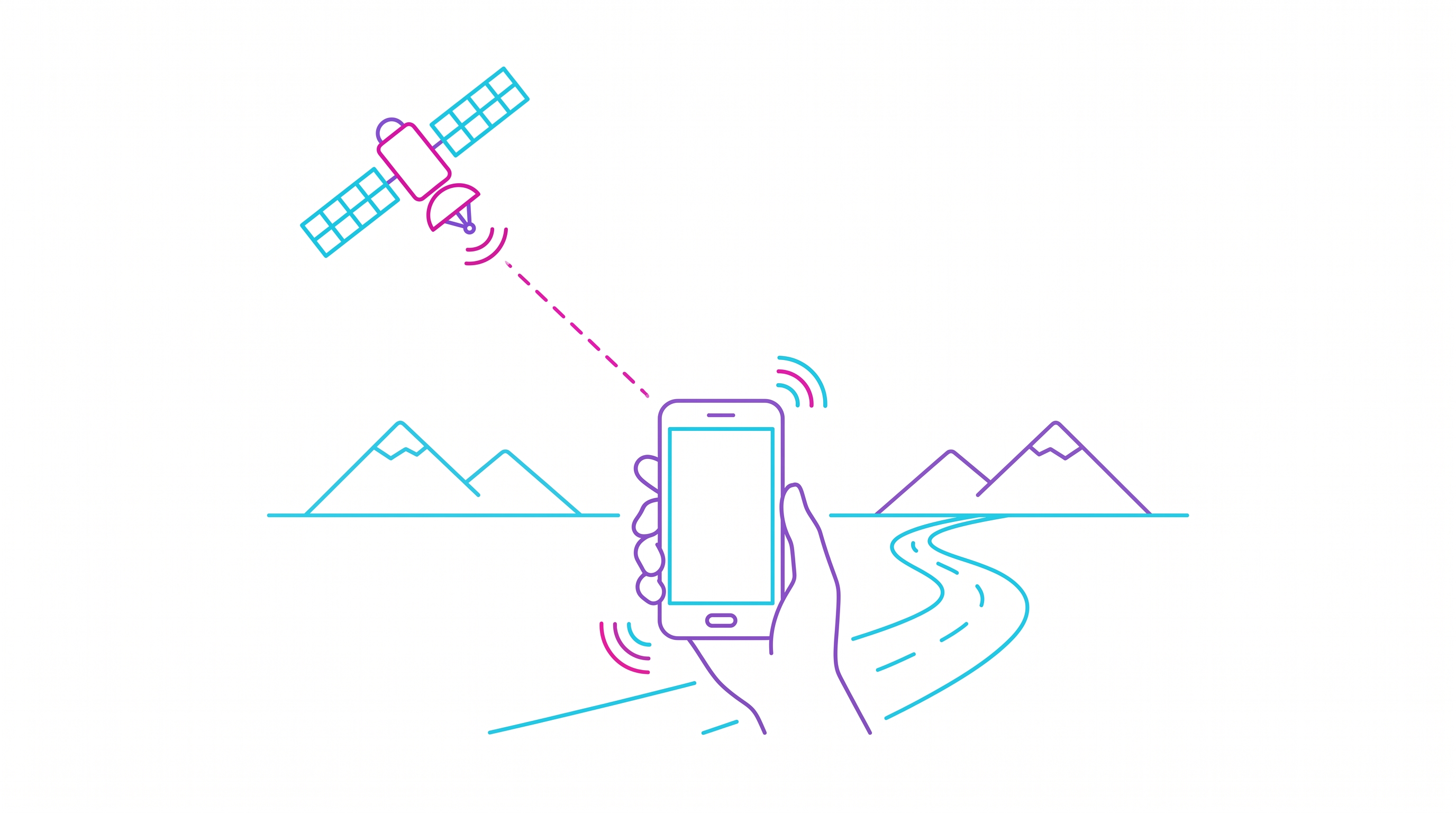
Satellite-to-phone service just posted its biggest real-world number yet. On October 19, 2026, VEON announced that more than 11 million unique customers have connected at least once to Starlink's direct-to-cell service in places where there was no regular cell signal — all in less than a year.
What happened
VEON signed its Starlink agreement in November 2025. Since then, the service has gone live commercially in three of its markets:
- Ukraine, with Kyivstar — the first VEON operator to launch it.
- Kazakhstan, with Beeline — the first operator in the country to offer satellite-to-mobile service.
- Bangladesh, with Banglalink — launched on October 9, 2026, making Bangladesh the first country in South Asia with the service, covering roughly 20 million customers at launch.
The key detail: it works on existing LTE smartphones. Users don't need a new phone or a special antenna, only a clear view of the sky.
The bigger picture
VEON's number lands during a busy month for direct-to-cell. SpaceX now has about 650 direct-to-cell satellites in orbit and recently won FCC approval for up to 15,000 more. In the US, AT&T, Verizon and T-Mobile formed a satellite-to-phone joint venture on October 2, though it still relies on another company's satellites. SpaceX says its second-generation constellation should bring near-5G-like speeds to standard phones once full deployment begins in 2027.
For now, direct-to-cell is a gap-filler, not a replacement for mobile networks. It is designed for areas with no towers — steppe, mountains, rural roads, coastlines — and it needs open sky, so it won't help indoors or in dense cities.
Why this matters for travelers
Eleven million people is proof that satellite fallback is no longer a lab experiment. If you travel to remote areas, that is genuinely useful for safety: a text or a location share from a place with no coverage can matter.
But there are limits worth knowing:
- It is tied to the local operator. These launches are for Kyivstar, Beeline and Banglalink customers. A visitor using a different SIM or eSIM should not assume satellite access is included.
- It is not a data plan for your trip. Direct-to-cell today is about staying reachable where there is nothing else. For maps, ride-hailing, banking apps and video calls, you still need a normal terrestrial data connection.
- Clear sky is required. Trains, buses, hotels and city streets with tall buildings are exactly where satellite links struggle.
- Rules vary by country. Each launch depends on a local operator and local regulators, so coverage is patchy across borders.
What to do before your next trip
If you are heading to Ukraine, Kazakhstan, Bangladesh — or anywhere with long stretches between towns — the practical setup is the same:
- Use a travel eSIM for everyday data. It gives you local network speeds from the moment you land, without carrier roaming fees.
- Keep your home line active for calls and SMS if you need verification codes, but switch off data roaming on it.
- Download offline maps for any rural route before you leave the city.
- Check whether your own carrier offers satellite messaging while abroad, and read the fine print on which countries are covered.
Providers like HOLASIM make it easy to install a data plan before departure and keep your home number running in parallel. Satellite service is the safety net; a reliable eSIM data plan is still what keeps your trip running day to day.