
FCC Approves SpaceX's 15,000-Satellite Direct-to-Phone Network in 2026: What It Means for Travelers
The FCC cleared a 15,000-satellite direct-to-device system for SpaceX on October 6, 2026, and will vote on 482 MHz of extra satellite-to-phone spectrum on October 29. Here is what changes for people who travel, and what does not.
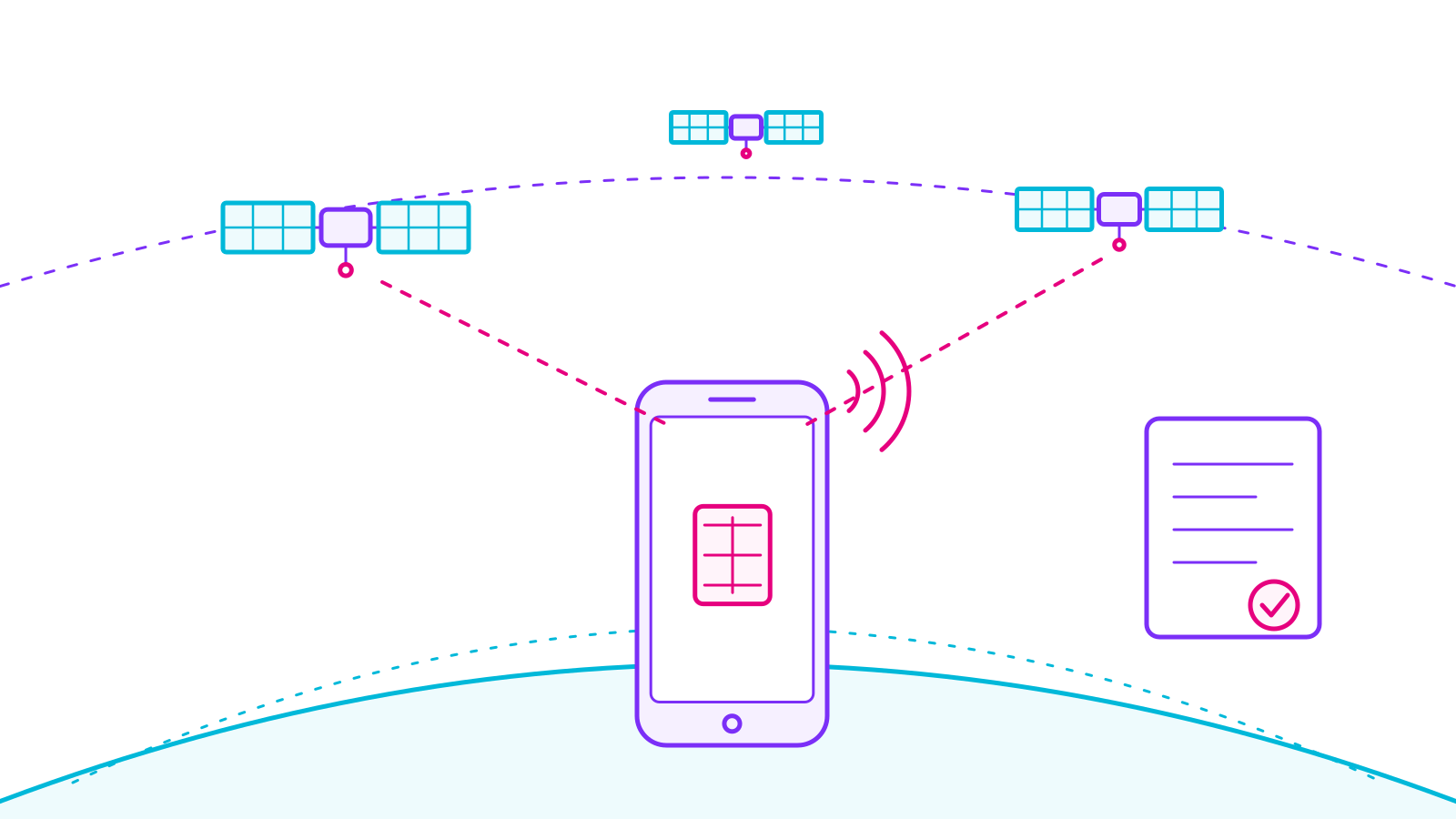
The US Federal Communications Commission has given SpaceX the green light for the largest direct-to-phone satellite system yet proposed. In an order dated October 6, 2026 (DA 26-1078), the FCC authorized 15,000 SpaceX satellites operating in very low orbit, between 326 and 335 kilometers, designed to talk directly to ordinary smartphones.
A day later, Chairman Brendan Carr put a second package on the agenda for the Commission's October 29, 2026 open meeting: a proposal to make an additional 482 MHz of spectrum available for "Supplemental Coverage from Space" (SCS), the rules that let satellites borrow mobile frequencies to reach phones.
What exactly was approved
According to Fierce Network's reporting on the order, the new constellation will use the spectrum SpaceX agreed to buy from EchoStar, a transfer the FCC had already cleared earlier this year. That detail matters more than the satellite count:
- Today, SpaceX runs roughly 650 satellites for T-Satellite, the service it sells with T-Mobile, and that service leans on T-Mobile's PCS spectrum.
- With its own spectrum and a 15,000-satellite fleet, SpaceX no longer needs a mobile carrier's frequencies to reach a handset.
- SpaceX executives have said the next-generation system will deliver 5G-like speeds, with full deployment of second-generation satellites expected to start in 2027.
The FCC framed the decision as pro-competition, saying the deployments will let "more consumers more choices in more places."
What the FCC votes on October 29
The tentative agenda for October 29 includes three connected items:
- A Notice of Proposed Rulemaking to add 482 MHz for SCS, expand how the existing 344 MHz already in the framework can be used, and harmonize SCS with Mobile Satellite Service rules. It also asks for comment on minimum performance requirements for direct-to-device service.
- A new auction of 25 MHz in the 1675-1695 MHz and 2020-2025 MHz bands.
- Final rules opening 50 MHz in the 800 MHz cellular band to drone operations.
This follows a vote the week before that opened 1,000 MHz in the 12.7-13.25 GHz and 42-42.5 GHz bands for satellite use. Keep in mind that an NPRM only starts a comment process: the October 29 vote proposes rules, it does not finalize them, and tentative agenda items can still change.
Why this matters if you travel
Satellite-to-phone is moving from "emergency texting" toward real data service, and regulators in the US are clearly clearing the path. For travelers, the long-term promise is simple: a signal on remote highways, in national parks, at sea near the coast and in places where no tower will ever be built.
But there is a big gap between an FCC license and a service you can use abroad:
- It starts in the US. These authorizations cover US spectrum and US rules. Each country you visit still has to license satellite-to-cell service on its own terms.
- Capacity is shared. One satellite beam covers a huge area, so throughput per user will stay well below a city 5G cell for years, even with 5G-like peak speeds.
- Your plan decides access. Direct-to-cell service is sold through, or alongside, a mobile subscription. A satellite overhead does nothing for you if your line is not provisioned for it.
We covered the spectrum side of this story when SpaceX bought Grain's 800 MHz spectrum, and the fine print on T-Satellite opening to AT&T and Verizon customers. The pattern is the same: satellite fills gaps, it does not replace terrestrial networks.
What to do on your next trip
For the trips you are actually planning in late 2026 and 2027, the ground network is still where your data comes from. A practical setup:
- Keep a local-network eSIM as your main data line. A travel eSIM connects you to partner carriers in the destination at local-network speeds, which no satellite service can match today.
- Treat satellite as a backup, not a plan. If your phone and home carrier already support satellite messaging, leave it on for emergencies in remote areas.
- Check dual-SIM settings. Most modern phones let you keep your home line (for satellite features and calls) active while a travel eSIM handles data.
- Download offline maps before heading somewhere remote. Even with satellite coverage, data is limited.
Travel eSIM providers such as HOLASIM work on top of existing local networks, so nothing in this FCC decision changes how they behave abroad. What it does change is the horizon: by the end of the decade, the dead zones between towers should start shrinking, and the best setup will likely combine a travel eSIM for everyday data with satellite coverage for the gaps.