
American Airlines Takes Starlink to Its Entire Mainline Fleet in 2026: 1,000+ Jets, but Not Before 2027
American is expanding Starlink Wi-Fi from 500 Airbus jets to more than 1,000 mainline aircraft. What changes for travelers, when, and where you will still be offline.
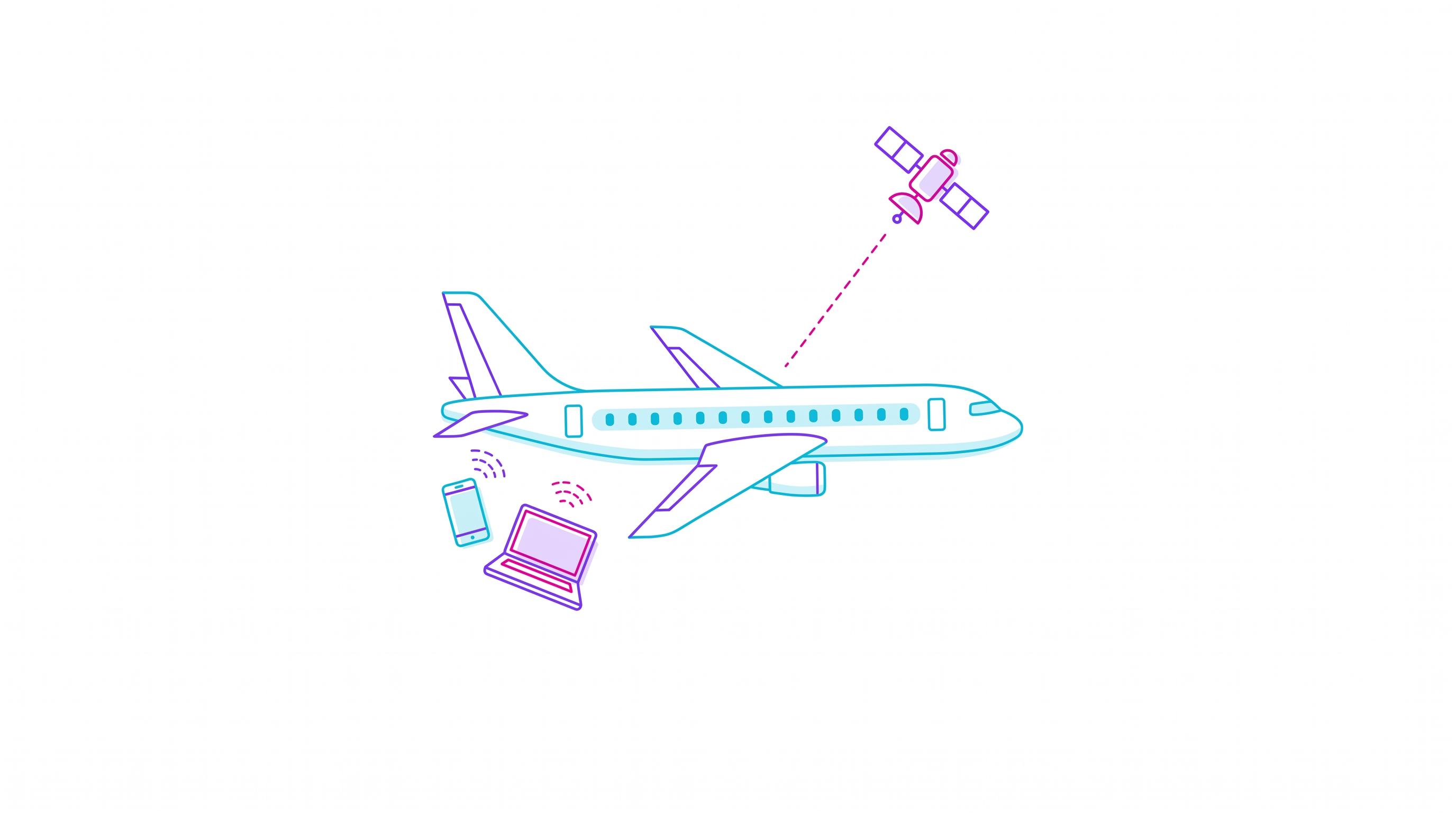
American Airlines has expanded its Starlink plans to cover its entire mainline fleet, the carrier announced in early October 2026. The decision more than doubles the deal it signed in May and puts the world's largest airline squarely in the low-Earth-orbit Wi-Fi race against United and Delta.
What American announced
According to Travel Weekly and Bloomberg:
- American will equip more than 900 Boeing and Airbus narrowbodies plus more than 130 Boeing widebodies with Starlink, roughly 1,030 aircraft in total.
- The original May agreement covered only its 500+ Airbus narrowbodies.
- Installations begin in early 2027. American has not said how long the rollout will take.
- Its 600+ American Eagle regional jets are not part of the expansion and will keep relying on Viasat, SES and Panasonic systems.
- AAdvantage members have had free Wi-Fi since January 2026, a policy we covered in our American Airlines free Wi-Fi report.
"Our customers have told us that dependable connectivity can make a meaningful difference in how they spend their time in the air," said Heather Garboden, American's chief customer officer.
Where the other big US airlines stand
The announcement lands in the middle of an open marketing war over inflight Wi-Fi:
- United says Starlink is already live on more than 635 mainline and United Express aircraft, or about 46% of its flights, and it is adding roughly 20 aircraft a week with a target of finishing by the end of 2027. It has launched a tool to check whether your flight has Starlink and is offering a 90-day status match to elite Delta and American flyers.
- Delta chose Amazon Leo instead of Starlink. Its first low-orbit installation is not planned until 2028.
- Southwest flew its first Starlink-equipped aircraft on June 22, 2026.
- Outside the US, Royal Air Maroc announced Starlink on 41 aircraft on the same day as American, with installs also starting in early 2027.
Starlink already flies on well over a thousand aircraft worldwide, as we reported in our look at free Starlink Wi-Fi on 1,400 planes. American's order adds roughly another thousand to the pipeline.
Why it matters for travelers
For passengers, Starlink typically means streaming-grade speeds and low latency instead of the patchy geostationary Wi-Fi that made video calls impossible. Combined with free access for loyalty members, the cabin is turning into one of the better-connected places on a trip.
But there are three gaps worth knowing:
- Timing. Nothing changes on American Boeing jets until installs start in 2027, and the full rollout could take years.
- Regional flights. Short hops on American Eagle jets stay on older systems.
- Landing. Inflight Wi-Fi ends at the gate. The moment you walk into arrivals, you need your own data for ride-hailing apps, maps, two-factor codes and messaging.
Practical takeaway
Better plane Wi-Fi actually makes a travel eSIM more useful, not less: use the flight to install and set up your eSIM while you are connected, so it is ready to switch on the moment the wheels touch down. Most travel eSIMs, including HOLASIM, can be installed in advance and only start counting days when they first connect to a network at your destination.
Three quick steps before your next long-haul:
- Check whether your aircraft has Starlink with your airline's app or tracker.
- Install your destination eSIM before departure or in flight, and leave data roaming off for your home line.
- Download offline maps as a backup in case your arrival airport is congested.
The skies are getting fast. The ground, on the other hand, still depends on the plan you picked before you left.